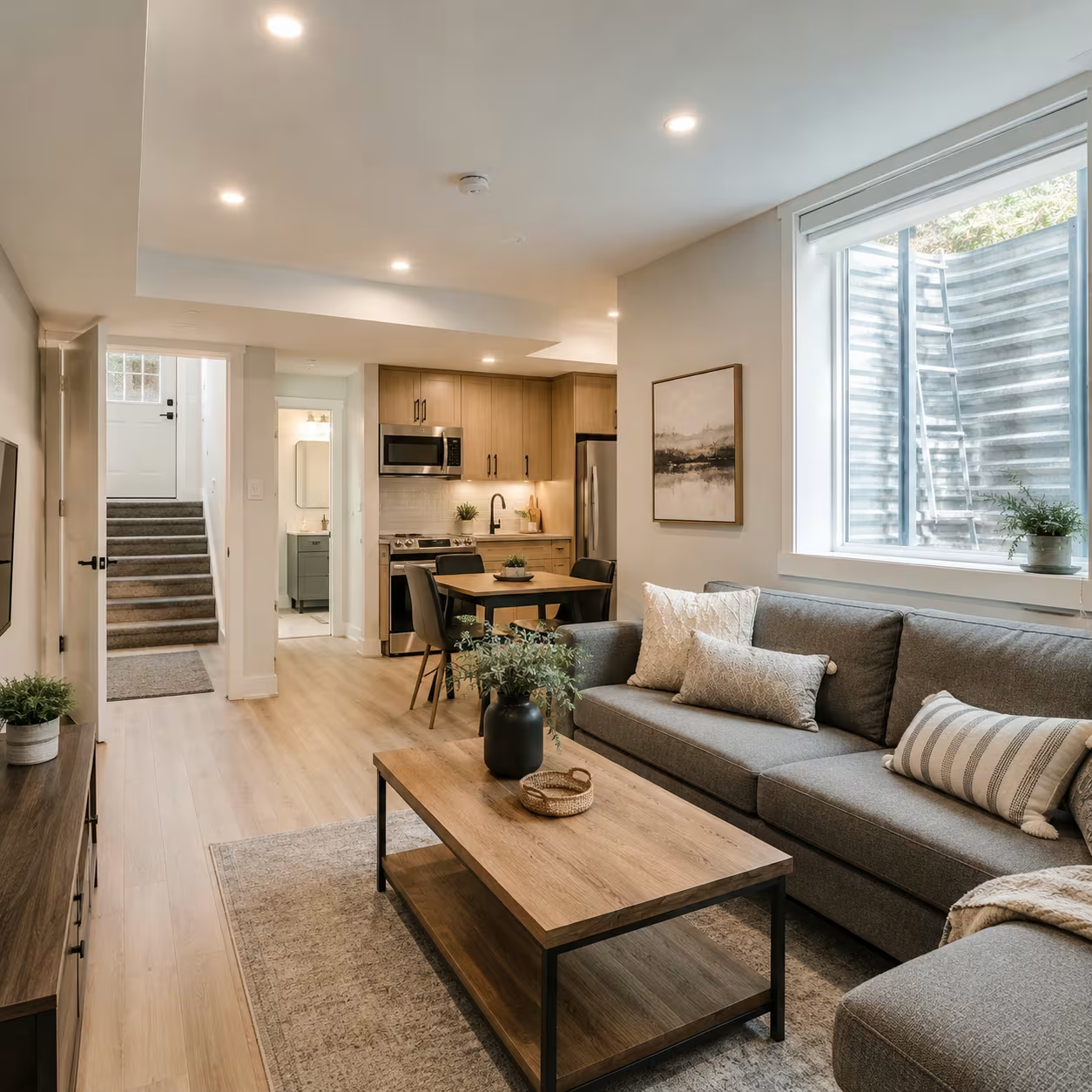
Basement budgeting guide
An unfinished open basement, an older partially finished level, and a proposed legal suite require different investigations and scopes. Framing, insulation, moisture conditions, ceiling height, windows, stairs, plumbing rough-ins, electrical service, heating, ventilation, and fire or sound assemblies can all affect the work.
This information is not a quote or a universal square-foot price. A dependable proposal requires a walkthrough, measured layout, defined room uses and finishes, confirmation of City requirements, and clear allowances for items that cannot yet be selected or verified.
Existing basement conditions set the starting point
Before budgeting finishes, review moisture, foundation signs, insulation, ceiling clearance, mechanical equipment, drains, electrical capacity, window openings, and previous construction. Removing or correcting unpermitted or unsuitable work can add scope. The estimate should state what was visible, what investigation was completed, and which conditions remain excluded or provisional.
Room use determines trade and safety requirements
A recreation room and storage area have different needs from bedrooms, bathrooms, a kitchen, gym, theatre, or secondary suite. Plumbing fixtures, cooking equipment, sleeping rooms, doors, windows, heating, ventilation, alarms, and electrical loads change the design and approvals. Define intended uses accurately instead of pricing an undefined generic finished basement.
Permit and suite scopes must be identified early
The City of Calgary states that a building permit is required when a basement is developed for the first time and for structural changes such as new window openings. A secondary suite adds a distinct approval and safety scope. Confirm current property-specific requirements and include drawings, fees, inspections, and qualified trade work in the budget.
Carry selections and concealed risk transparently
Flooring, millwork, bathroom fixtures, lighting, doors, trim, and specialty rooms should have defined products or realistic allowances. Underground plumbing changes, slab conditions, concealed moisture, and service upgrades may remain uncertain until investigation. Use a contingency that reflects those risks and require written authorization for changes, including schedule and tax effects.